




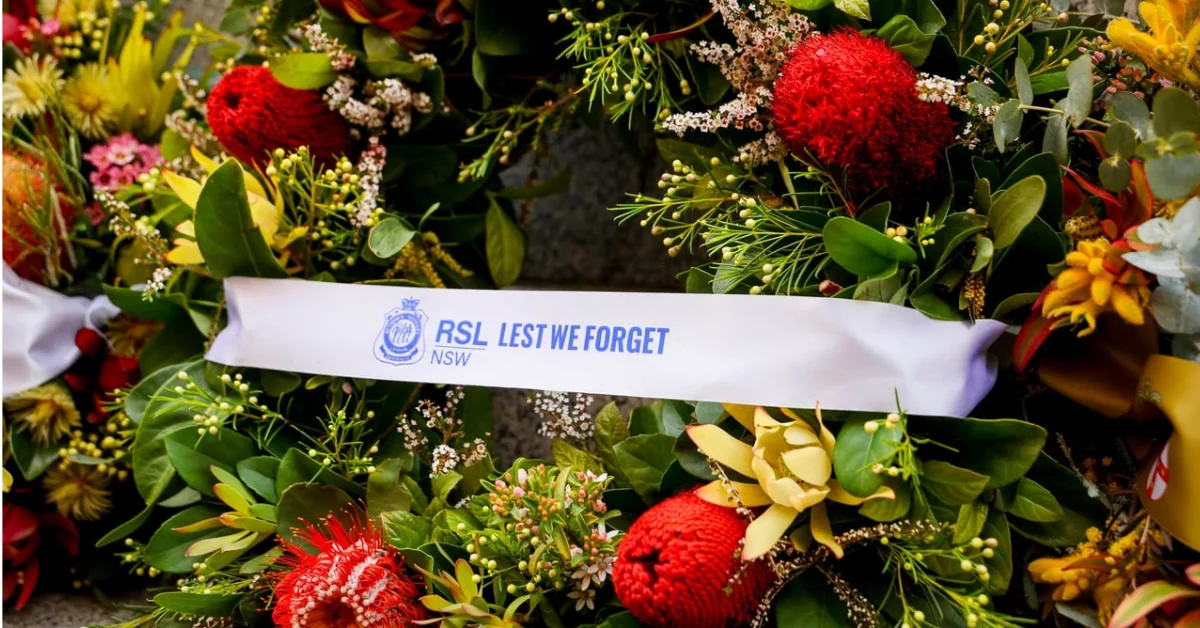
Sixty years after the Battle of Long Tan, Palm Beach veterans returned to the cenotaph alongside families, cadets and school musicians, carrying forward memories of a war that shaped their lives long after they came home.
Palm Beach Veterans March To The Cenotaph
The commemoration was held on Sunday, 16 August, ahead of Vietnam Veterans’ Day on 18 August and the 60th anniversary of the Battle of Long Tan.
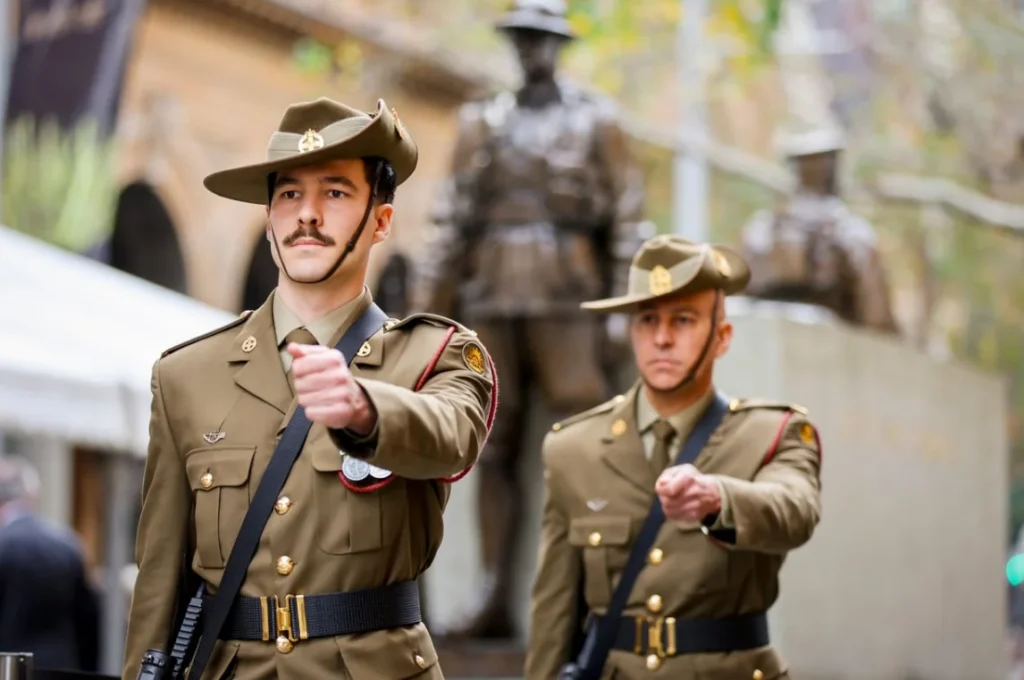
Barrenjoey Road was closed between Nabilla Road and Iluka Road from about 10:45am for an hour, allowing veterans, families and dignitaries to complete a 100-metre march to the cenotaph in front of Club Palm Beach.
The Knox Old Boys Pipe Band and Pittwater House Cadets led the procession. Veterans from RSL NSW Sub-Branches at Palm Beach, Avalon Beach, Pittwater, Narrabeen, War Veterans Village, Dee Why, Forestville and Balgowlah took part, along with the American Legion.
The march was followed by a wreath and book laying ceremony, with the Avalon Public School band playing the national anthem.
The presence of veterans beside cadets and school musicians gave the Palm Beach ceremony an intergenerational character, with those who served joined by younger participants taking part in the act of remembrance.
Long Tan: 18 August 1966
The Palm Beach ceremony marked six decades since one of the best-known Australian engagements of the Vietnam War.
On 18 August 1966, 108 men from D Company, 6th Battalion, Royal Australian Regiment entered a rubber plantation near Long Tan in Phuoc Tuy Province, South Vietnam.
The Australians had been sent to locate mortar positions after their base at Nui Dat had been shelled. During the afternoon, D Company encountered a much larger Viet Cong and North Vietnamese force.
Heavy fighting followed as torrential rain reduced visibility and turned the ground to mud. The Australians relied heavily on artillery support from Nui Dat while ammunition and emergency supplies were delivered by Royal Australian Air Force helicopters.
As daylight faded, an armoured relief force reached the fighting and reinforced the Australian and New Zealand troops.
Eighteen Australians were killed and 24 were wounded.
The battle later became closely associated with Vietnam Veterans’ Day, observed each year on 18 August in recognition of Australians who served during the Vietnam War.
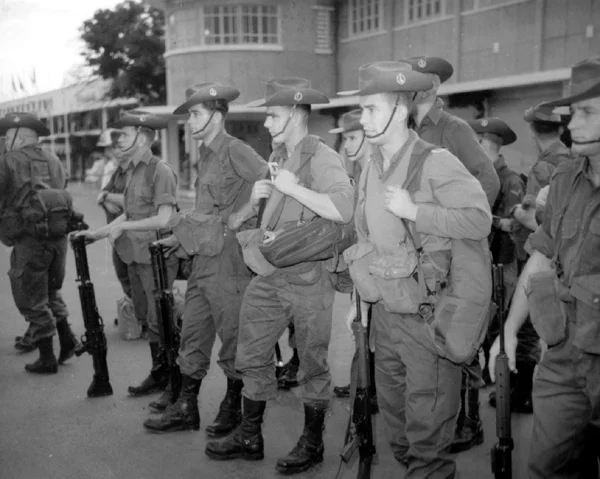
Photo Credit: Wikipedia
From Civilian Life To A War Zone
At Palm Beach, 9RAR Association president Doug McGrath provided the human connection between the ceremony and the history being remembered.
McGrath was among the national servicemen called from civilian life into the Army. He described serving alongside men who had previously been university graduates, miners, farmers, truck drivers, tradesmen, police officers, teachers, postal workers and salesmen.
For many, military life arrived quickly.
Recruit training was followed by specialised instruction and further exercises, including jungle training in Queensland for those preparing to deploy to Vietnam. In McGrath’s case, the transition from civilian life to a combat-ready soldier took about nine months.
Once deployed, that training was tested in conditions far removed from the lives the young men had left behind.
McGrath recalled extended jungle operations involving heavy equipment, intense heat, humidity and monsoonal rain. Soldiers could spend weeks in the field, relying on training, discipline and the men around them.
The bonds formed through those experiences remained one of the central themes of his address. He described the responsibility soldiers carried for one another, particularly when operating under fire or when individual decisions could affect the safety of an entire section or platoon.
He also acknowledged the helicopter crews, artillery units, armoured personnel carriers, engineers, medical teams and other personnel who supported infantry soldiers during operations.
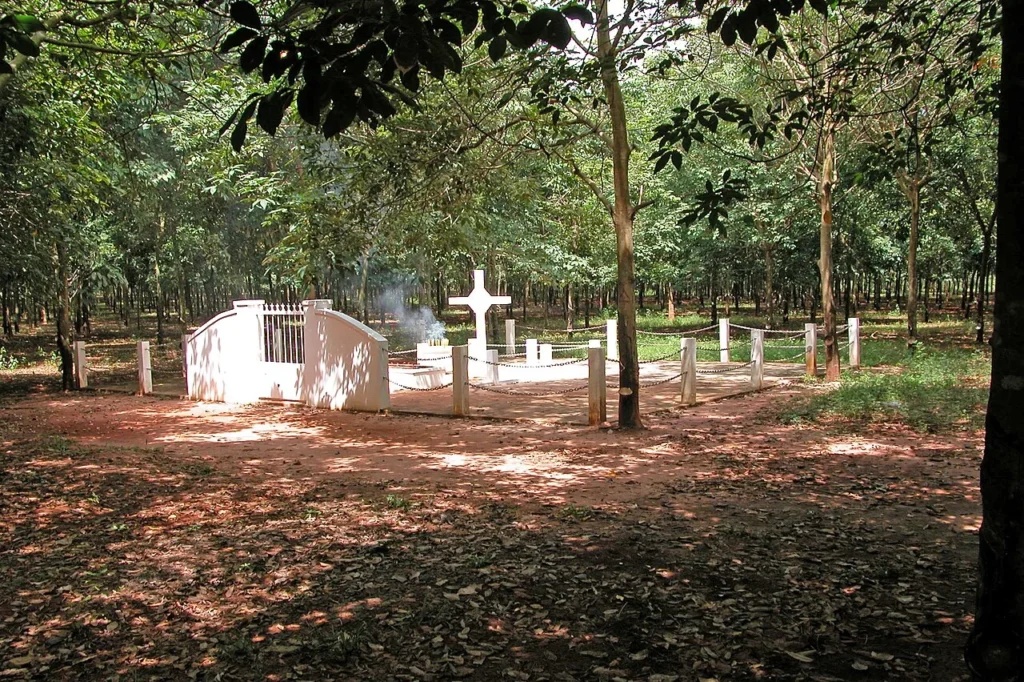
Photo Credit: Wikipedia
The Journey Home
For many Vietnam veterans, the end of deployment did not bring an uncomplicated return to civilian life.
McGrath recalled coming home at a time when opposition to the Vietnam War was strong in Australia. He described veterans carrying physical and psychological effects from their service while also adjusting to life away from the Army.
His reflections extended beyond combat itself to the ordinary connections that helped soldiers endure it — letters from home, recorded messages to family, time spent with mates and the shared experiences that remained with them decades later.
Those memories also included lighter moments between operations, including leave and sport, which offered periods away from the demands of service.
Service That Continued At Home
McGrath’s military service lasted two years, but his involvement with veterans and the wider community continued for more than 50 years.
He described veterans later taking roles in schools, sporting clubs, scouts, cadets, RSL organisations and other community groups.
That continuing service added another layer to the Palm Beach commemoration.
Veterans who had once served as young soldiers marched alongside families and cadets, while students from Avalon Public School took part in the ceremony through music.
Six decades after Long Tan, the Palm Beach gathering brought the battlefield history of 1966 together with the lives veterans built after returning home — and with younger generations now participating in how those experiences are remembered.
Published 17-August-2026