




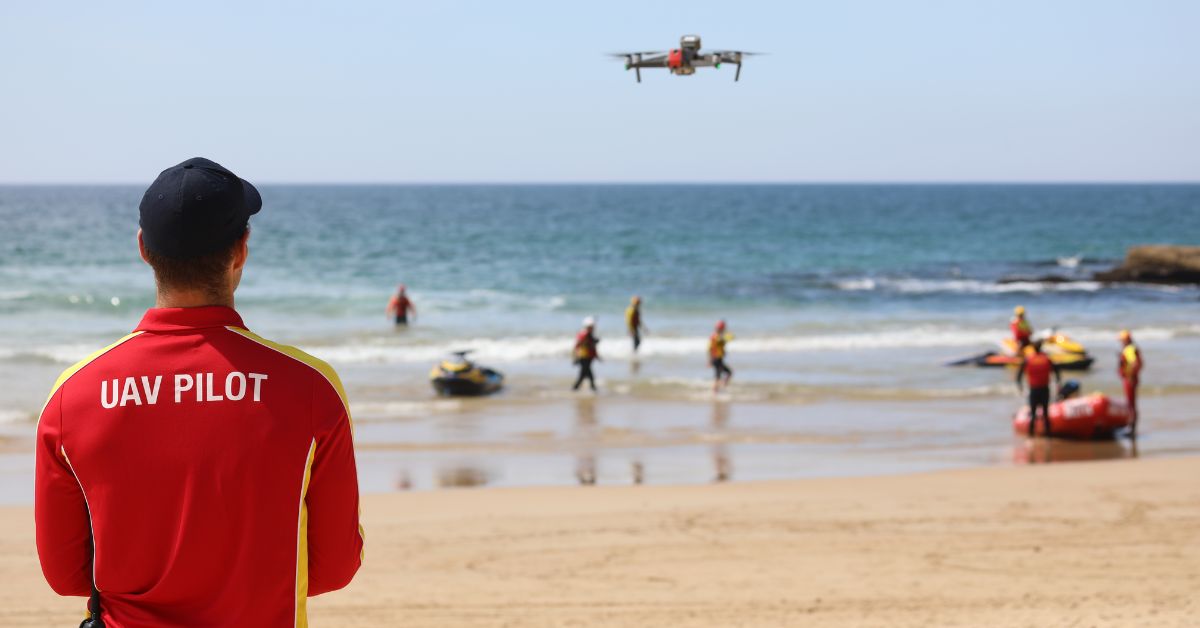
Palm Beach will have shark-spotting drones in the air every day of the year as part of a major expansion of aerial surveillance stretching from the Northern Beaches to Cronulla and covering around 70 beaches across New South Wales.
The expanded program came into effect on 1 July 2026. Operated by Surf Life Saving NSW and backed by $120 million in funding over the next two years, it represents the largest investment in shark management in Australian history.
Daily drone patrols for Palm Beach
Under the new schedule, Sydney’s ocean beaches from Palm Beach to Cronulla receive drone patrols 365 days a year, with operating hours extending from early morning to evening and shifting seasonally to match daylight. From July, drones fly from 6:45am to 4:15pm.
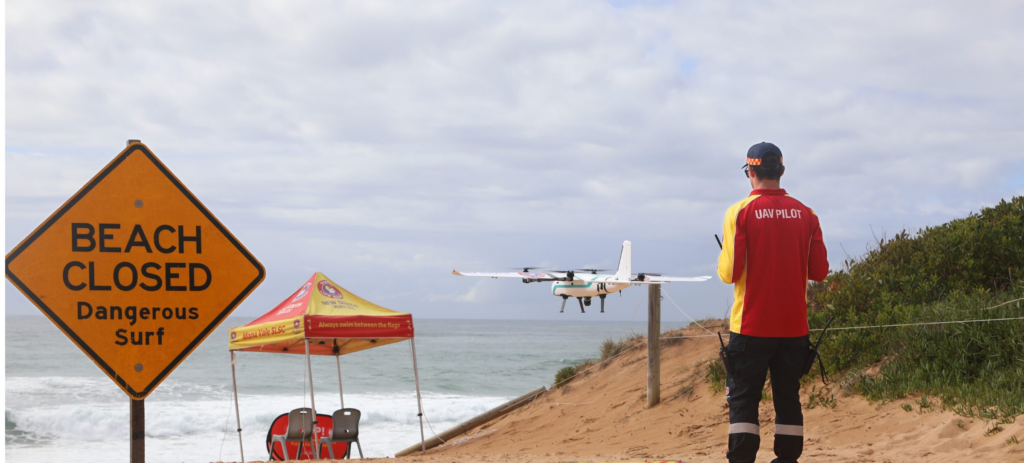
That window grows progressively through spring and peaks across summer, with December through February coverage running from 6:00am to 7:30pm.
For Palm Beach locals who surf, swim or fish outside patrolled hours, the change is significant. Drones previously flew only during the summer patrol season and school holidays, leaving the early morning and evening hours used by many regular ocean users without aerial coverage.
Surf Life Saving NSW this past season conducted more than 100,000 drone flights and identified over 2,000 situations where sharks and water users were in proximity.
The expanded program targets a further 500,000 drone flights annually across the state.
AI joining the skies
The expanded program includes trials of at least two new artificial intelligence shark detection systems over the coming summer.
The AI systems are designed to improve the speed and accuracy of shark identification from drone footage, with the ambition of making automated detection standard practice at NSW beaches.
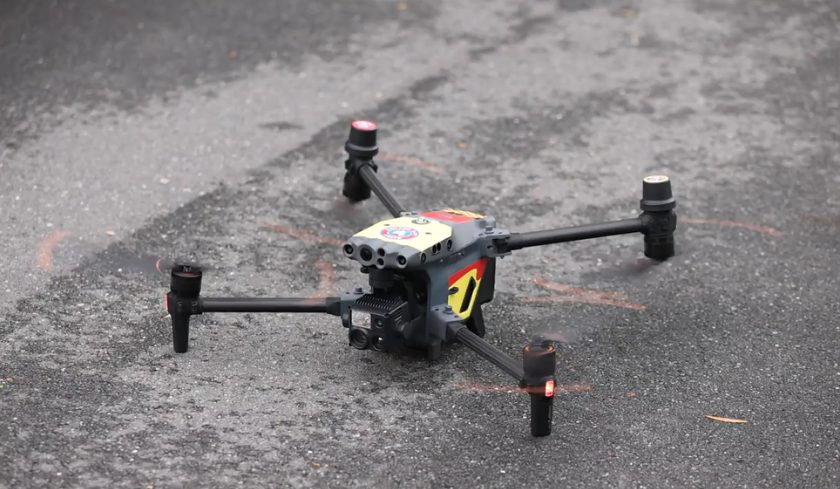
Surf Life Saving NSW will also upgrade its remote pilot and operating facilities and is working with aviation authorities to pursue regulatory approvals for more autonomous drone operations, including the possibility of daily automated flights launched directly from surf club rooftops.
Surf Life Saving NSW CEO Steve Pearce said the investment would change the scale of what was possible. “The SLS NSW Shark UAV surveillance program has proven to be an extremely effective component of the NSW Shark Management Program,” he said.
“Even with the greatest technology and expanded presence of drones, we cannot prevent all shark interactions, however this funding will allow the development of a safety program that will give the greatest opportunity to prevent these from occurring.”
The attack that accelerated the rollout
The announcement followed the attack on 34-year-old Leah Stewart, who was critically injured by a suspected white shark while swimming between the flags at Coogee Beach. Stewart was rescued from the water by Newport SLSC‘s Charlie Verco and underwent surgery.
There were no drone patrols operating over Coogee at the time due to its proximity to Sydney Airport’s flight path.
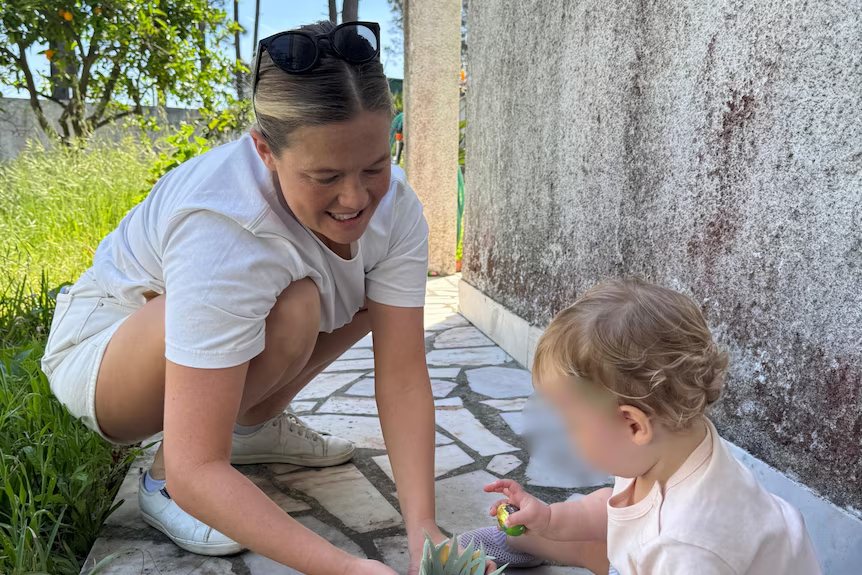
Stewart was woken from an induced coma last week and her brother Joshua said she was in a stable condition and had been reunited with her daughter. “Leah has shown she is so strong, fighting to come back to her daughter August,” he said in a statement to an online fundraiser that has raised more than $520,000 for the family.
Surfing NSW President Lucas Townsend said the Coogee attack had unsettled the surfing community. “It has felt different in and around the water, and certainly we have seen that in the data as well,” he said.
Townsend welcomed the expanded program, which also provides funding for boardriding clubs across NSW to train surfers in shark bite response.
Two new listening stations for Sydney Harbour
The expanded program includes two SharkSmart listening stations positioned in Sydney Harbour. The stations detect the presence of tagged sharks and alert swimmers accordingly, adding a layer of monitoring below the waterline to complement the aerial coverage above it.
Drones are not without limitations. Weather, visibility and battery life all affect operations, and Surf Life Saving NSW acknowledges that no surveillance technology can eliminate shark interactions entirely.
Coverage will also not be limited to patrolled beaches, with the expanded program extending to popular but unpatrolled surf breaks.
For more information on drone schedules and shark sightings, visit the SharkSmart app.
Published 2-July-2026