




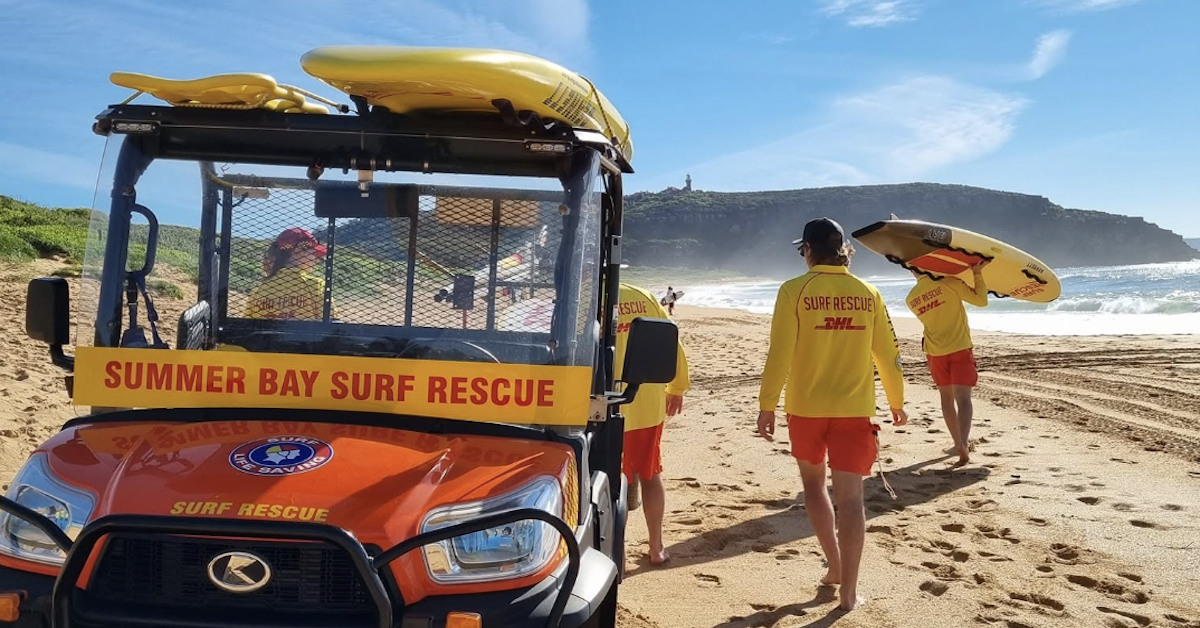
Palm Beach and North Palm Beach have entered the summer surf lifesaving season with volunteer patrols back on the sand and expanded shark drone surveillance operating across both ends of the beach.
The 2026–27 volunteer patrol season began on Saturday 26 September and runs until Monday 26 April 2027, with surf lifesavers stationed at NSW beaches on weekends and public holidays. The familiar red and yellow flags mark supervised swimming areas during patrol hours.
Palm Beach’s 2.3-kilometre coastline is served by two surf lifesaving clubs. Palm Beach SLSC, founded in 1921, operates at the southern end, while North Palm Beach SLSC, established in 1945, serves the northern section near Barrenjoey Headland.
Both locations are included in the NSW Government’s expanded shark drone programme, which provides year-round aerial monitoring independently of the seasonal volunteer patrols. The coverage also extends to neighbouring beaches, including Whale Beach, Avalon, Bilgola and Newport.
Year-round drone monitoring extends along Pittwater’s coastline
The expanded programme began on 1 July 2026 following an additional $34 million investment in shark surveillance technology. Sydney beaches from Palm Beach to Cronulla are covered throughout the year, with longer daily operating hours and monitoring at selected unpatrolled locations.
Surf Life Saving NSW schedules drone flights according to seasonal operating arrangements. During July and August, surveillance ran from 6.45 a.m. to 4.15 p.m., extending to 6.15 a.m. to 5:00 p.m. in September. The programme is intended to provide longer monitoring periods as daylight hours increase.
The aircraft are equipped with alarms and speakers to warn swimmers and surfers when sharks are detected nearby. Drone operators can also contact beach patrols and the Surf Life Saving NSW State Operations Centre to coordinate further safety measures.
During July, drones completed more than 25,000 flights statewide, travelling a combined distance of more than 165,000 kilometres and recording over 600 shark sightings. Operators carried out 200 safety responses, including beach closures and warnings to people in the water. The sightings do not represent individual sharks, as the same animal may have been recorded more than once.
Surf Life Saving NSW chief executive Steve Pearce said the expanded programme had increased opportunities to detect sharks earlier and warn people in the water. He acknowledged that surveillance technology could reduce risks but could not eliminate the possibility of shark encounters.
Palm Beach clubs continue a century of lifesaving
Organised surf lifesaving has been part of Palm Beach for more than a century, beginning with the establishment of Palm Beach SLSC in 1921. North Palm Beach SLSC followed 24 years later, extending the volunteer presence along the exposed ocean coastline.
The beach is known for changing surf conditions, including rip currents that can develop along its length. Lifesavers monitor swimming areas, identify hazards, perform rescues and provide first aid, while professional lifeguard services operate separately from volunteer club patrols.
The return of volunteers follows a year in which 60 people drowned along the NSW coastline between July 2025 and June 2026. Surf Life Saving NSW reported that the fatalities occurred outside the red and yellow flags, at unpatrolled locations or away from lifesaving services.
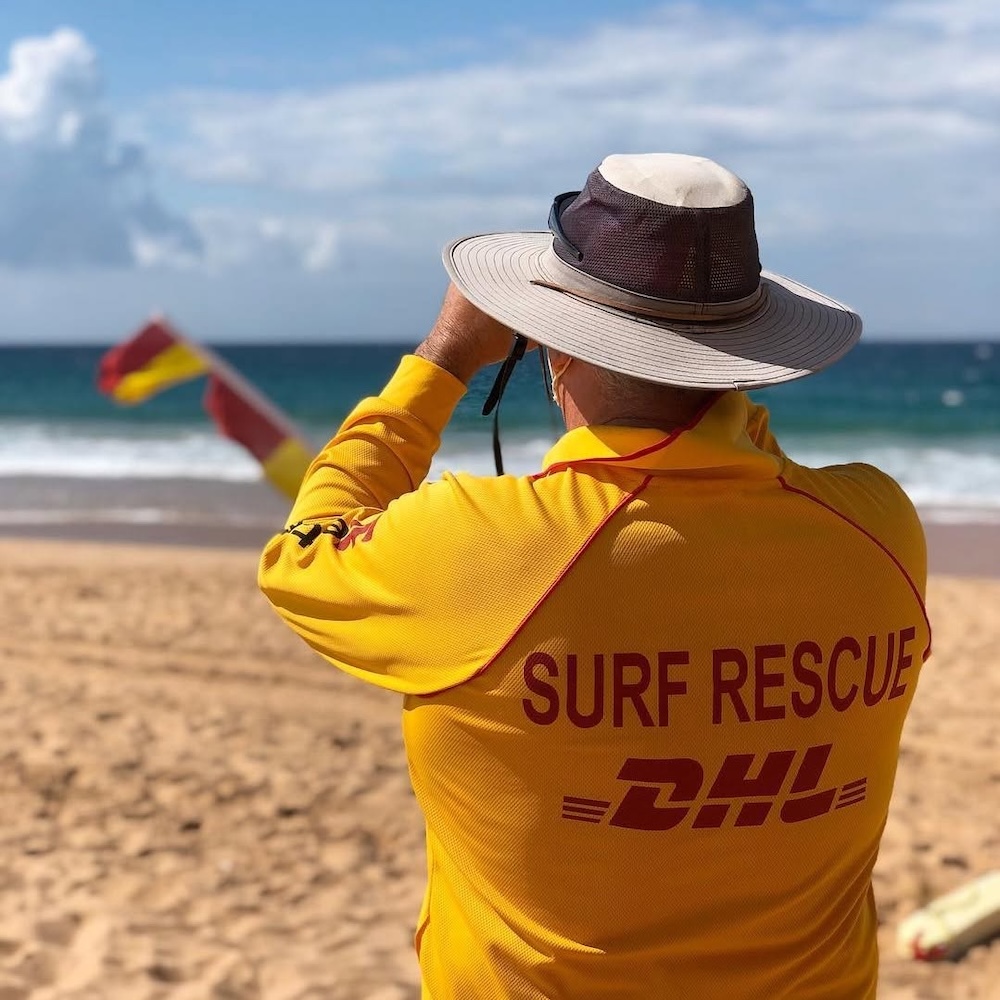
Growing membership strengthens summer patrols
Across NSW, active patrolling membership has increased by two per cent to 22,123 volunteers. Junior Nipper numbers have also risen to 31,023, contributing to a record total membership of 86,456.
Surf Life Saving NSW president Elissa Hancock said more volunteers were joining the organisation as it prepared for increased beach attendance during the warmer months. She identified expanded drone coverage as additional support for coastal safety operations.
Member for Manly James Griffin welcomed the new patrol season and encouraged beachgoers to assess surf conditions, observe warning signs and follow lifesavers’ instructions before entering the water.
Current beach patrol locations, conditions and safety information are available through Beachsafe.
Published 1-Oct-2026